
Hydrogen is produced by many methods around the globe, from by-products of other industries to the latest electrolysis techniques. Electrolysers utilise excess electricity produced from wind, tidal and solar generation to split fresh or salt water into its two components – Green hydrogen and oxygen. On very windy days, this excess energy maybe wasted, since the local grid may not be able to cope with the power being produced. Now this energy can be used to generate hydrogen which can be stored and re-used to balance demand on less windy or sunny days, or when tides are at their turning points.
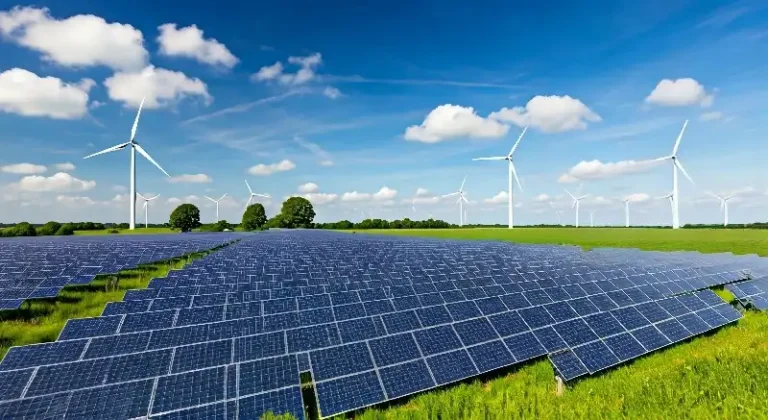
Green Hydrogen is generated by electrolysing water into Hydrogen and Oxygen gas. The process is driven by renewable electricity derived from wind and solar energy which will naturally produce a fluctuating supply of electricity and therefore hydrogen gas. With the gas flowing at low pressures and the resultant flow rates varying from zero to maximum flow rate in a short space of time, this makes it very difficult for one single traditional flow meter to measure the entire flow range. In this instance, several different sizes of flow meters in parallel would be required to measure the entire flow range. This makes it an ideal application for Adjusta-Cone® with its huge operating range of up to 250:1. By automatically enabling the flow range to be changed during production, the meter is always operating it its most accurate range, whether that be in the middle of strong wind or at sunrise and sunset.
GM flow began by developing micro Hy-Cone™, specifically to address the small production end of this market, to measure the low-pressure hydrogen gas being produced. Low pressure is the main reason why other technologies have difficulty in measuring the gas accurately, since the gas density is so low. By utilising extremely accurate pressure measurement and advanced manufacturing techniques, micro Hy-Cone™ LP captures the hydrogen flow rate, flowing pressure, and the flowing temperature, ensuring that the measurement is the most accurate available to the industry.
micro Hy-Cone™ has now been joined by micro Hy-Orifice™ to offer a complete range of Hydrogen Flow Measurement solutions.

GM flow are developing Hy-Cone™ LP, specifically to address the small production end of this market, to measure the low-pressure hydrogen gas being produced. Low pressure is the main reason why other technologies have difficulty in measuring the gas accurately, since the gas density is so low. By utilising extremely accurate pressure measurement and advanced manufacturing techniques, Hy-Cone ™ LP captures the hydrogen flow rate, flowing pressure, and the flowing temperature, ensuring that the measurement is the most accurate available to the industry.

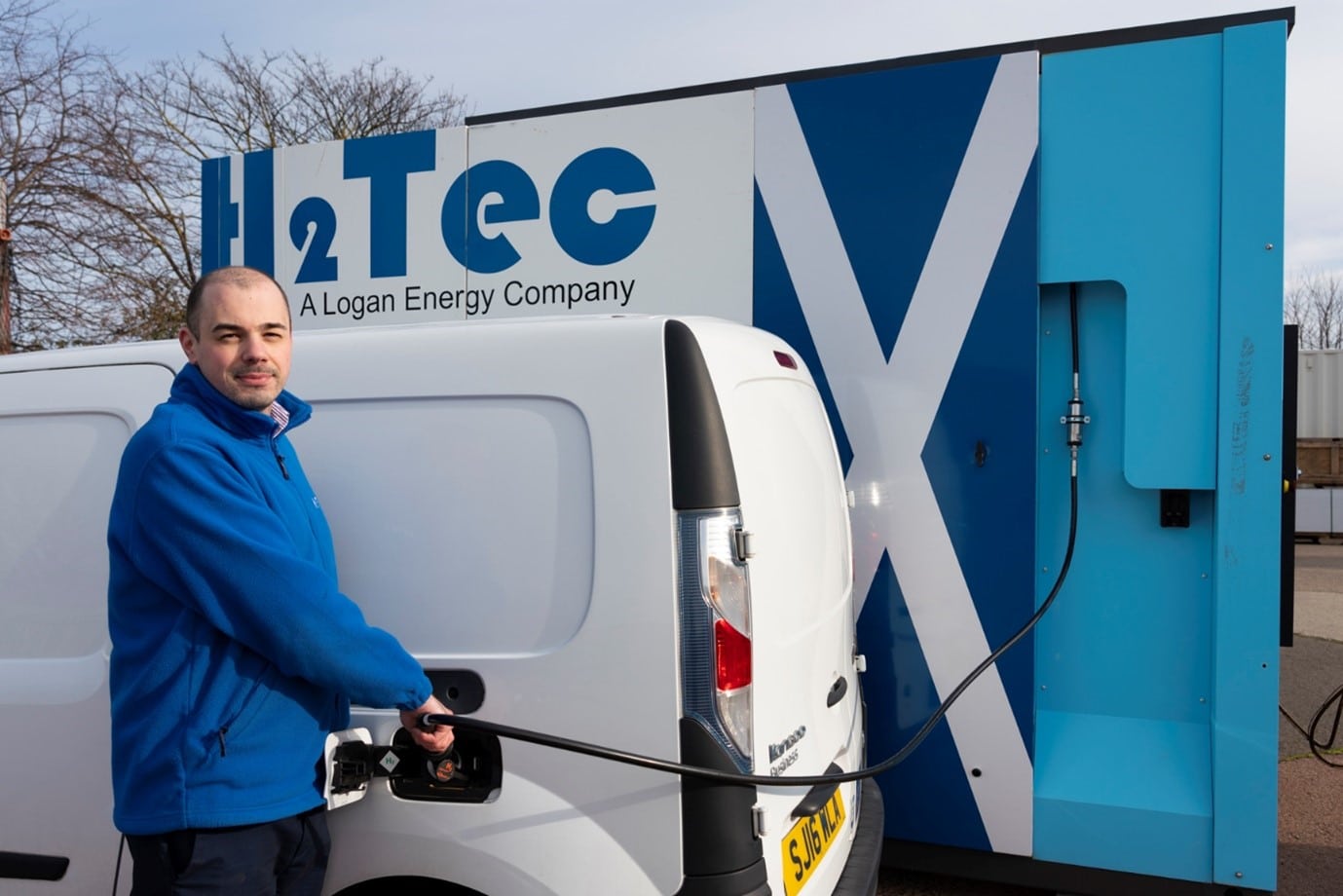
Hydrogen is becoming a more widespread fuel for vehicles, due to its longer-range capability and over electric vehicle battery storage and relatively long time to charge limitations compared to petrol or diesel vehicles. High pressure hydrogen (350 to 700 bar) is stored in a fuel tank on board the vehicle and fed to a fuel cell to produce electricity to drive the vehicle.
Challenges which are faced in the hydrogen fuelling process are accuracy, pressure drop and cost of existing equipment. In order to drive up use, cost has to come down or throughput increased. With this in mind GM design Hycone™ HP for applications up to 1034 Bar. A pressure drop which is 1/10 that of a coriolis meter, means that fuelling can take place faster. Inbuilt pressure and temperature correction maximises accuracy which is equally important for the buyer and seller of the hydrogen.
micro Hy-Cone™ is a differential pressure cone flow meter for Hydrogen, available in two models, for High Pressure and Low Pressure. micro Hy-Cone™ HP is for High Pressure fuelling applications and micro Hy-Cone™ LP is for low pressure electrolyser applications. micro Hy-Cone™ offers unsurpassed reliability and resistance to corrosion and erosion with an extremely low pressure drop, making it ideal for electrolyser and fuelling applications.
micro Hy-Cone™ LP is rated at 310 or 340 Bar, while micro Hy-Cone™ HP is rated at 1000 Bar. Flow ranges vary from 0.2 to 765 g/sec of H2 gas.
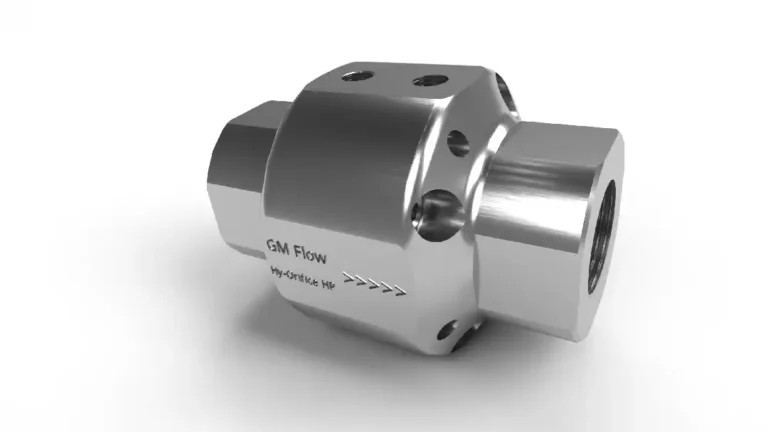
micro Hy-Orifice™ is a differential pressure orifice flow meter for Hydrogen, available in two models, for High Pressure and Low Pressure. micro Hy-Orifice™ HP is for High Pressure fuelling applications and micro Hy-Orifice™ LP is for low pressure electrolyser applications.
micro Hy-Orifice™ LP is rated at 340 or 370 Bar, while micro Hy-Orifice™ HP is rated at 1000 Bar. Flow ranges vary from 0.0004 to 158 g/sec of H2 gas.
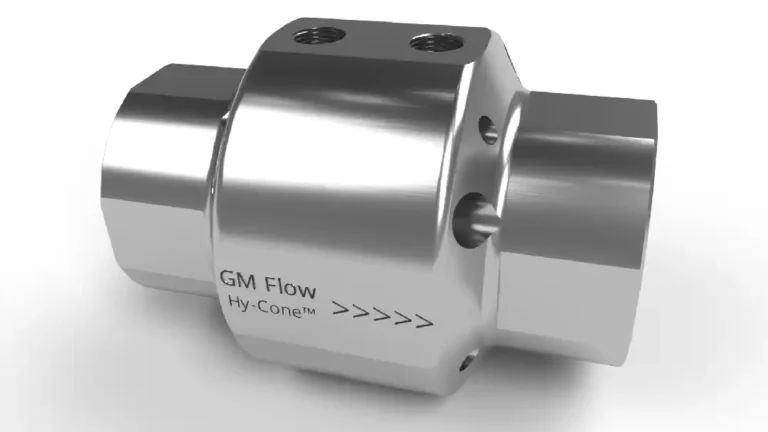
micro Hy-Cone™ takes hydrogen gas measurement to a new level, with a simple design and with no moving parts, allowing the cone to be inspected and/or switched out, to change the flow range, if desired. The extremely low pressure loss is very important, since Hydrogen displays the reverse Joule Thomson Effect. As hydrogen passes through any device which causes a pressure loss, it heats up. So it follows that if a device produces a smaller pressure loss, it creates less unwanted heat build up in the process.
micro Hy-Orifice™ offers an even lower flow range capability than micro Hy-Cone™ , coupled with excellent reliability, resistance to corrosion and erosion with an extremely low pressure drop, making it ideal for experimental test rigs, electrolyser and fuelling applications. micro Hy-Orifice™ shares our simple design philosophy, with no moving, removable parts, allowing the orifice to be inspected and/or switched out, to change the flow range, if desired.
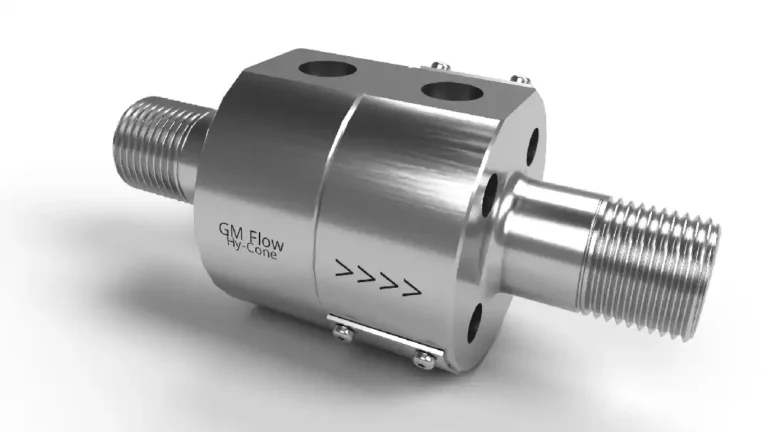
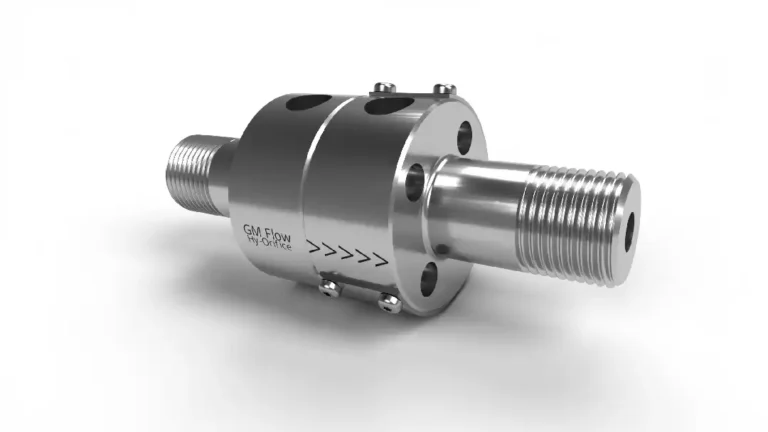
To learn more about micro Hy-Cone™ and its specific operation, benefits and features, download the comprehensive Data Sheet…
To learn more about micro Hy-Orifice™ and its specific operation, benefits and features, download the comprehensive Data Sheet…